The new Data For Progress memo builds on the Green New Deal resolution—a sweeping proposal to build out a carbon neutral economy, inspired by the package of Roosevelt administration social policy that lifted the United States out of the 1930s Depression and created the largest middle class in history. The Green New Deal, advocates say, would mobilize similar infrastructure and jobs programs, but with a focus on climate mitigation and resilience, and a more broadly construed focus on equity. (While the original New Deal met many goals expressed by organized labor, it failed to address racial inequality).
Category: Agriculture
One way to reduce food waste: Use it to make soil healthier
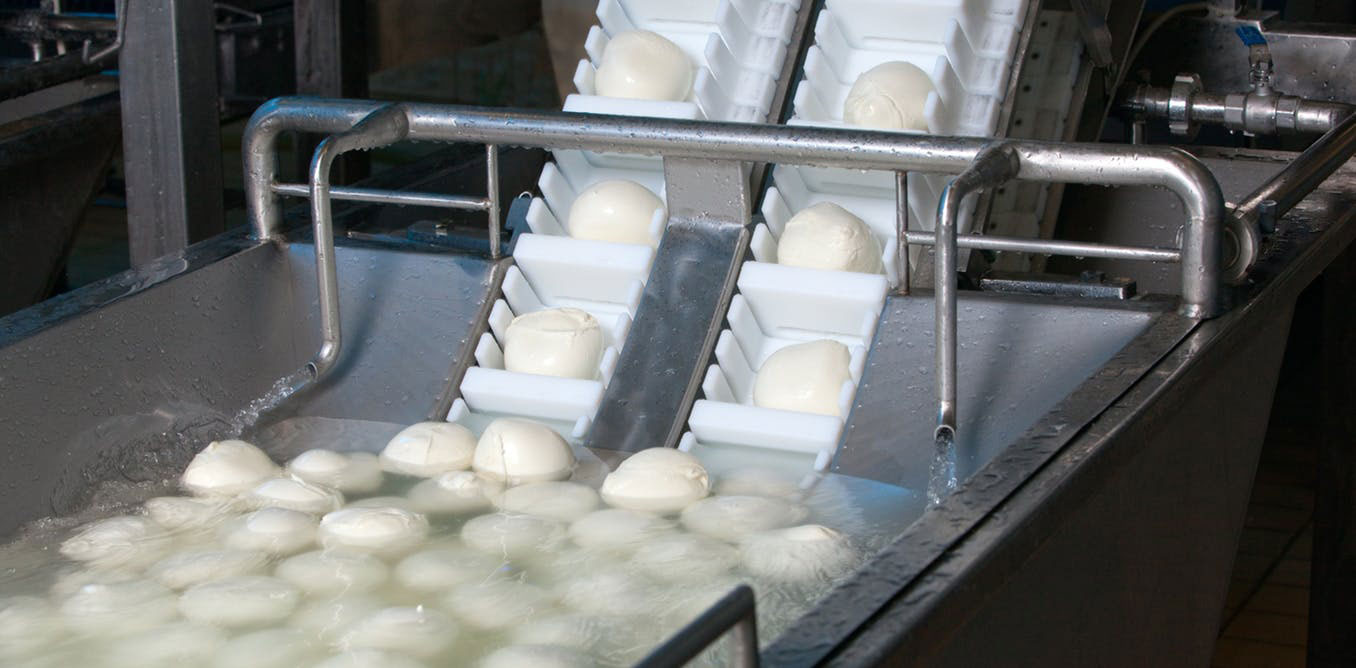
According to the U.S. Environmental Protection Agency, the United States generates over 39 million tons of food waste yearly. Strawberries rot on the vine for lack of labor to pick them. Food spoils during transport, at the grocery store or in our homes. More is lost during processing, due to inefficiencies and lack of markets for byproducts.
Why Composting Is In The Green New Deal
The change that we as a society need seems daunting and unlikely. A lot has to happen in a very short period of time. If you’re not feeling too apathetic, you may find yourself often wondering what one person can do. The good news is that we have a way for you to dramatically reduce your environmental footprint – and there’s a good chance you’re not already doing it.